
EV FAQs
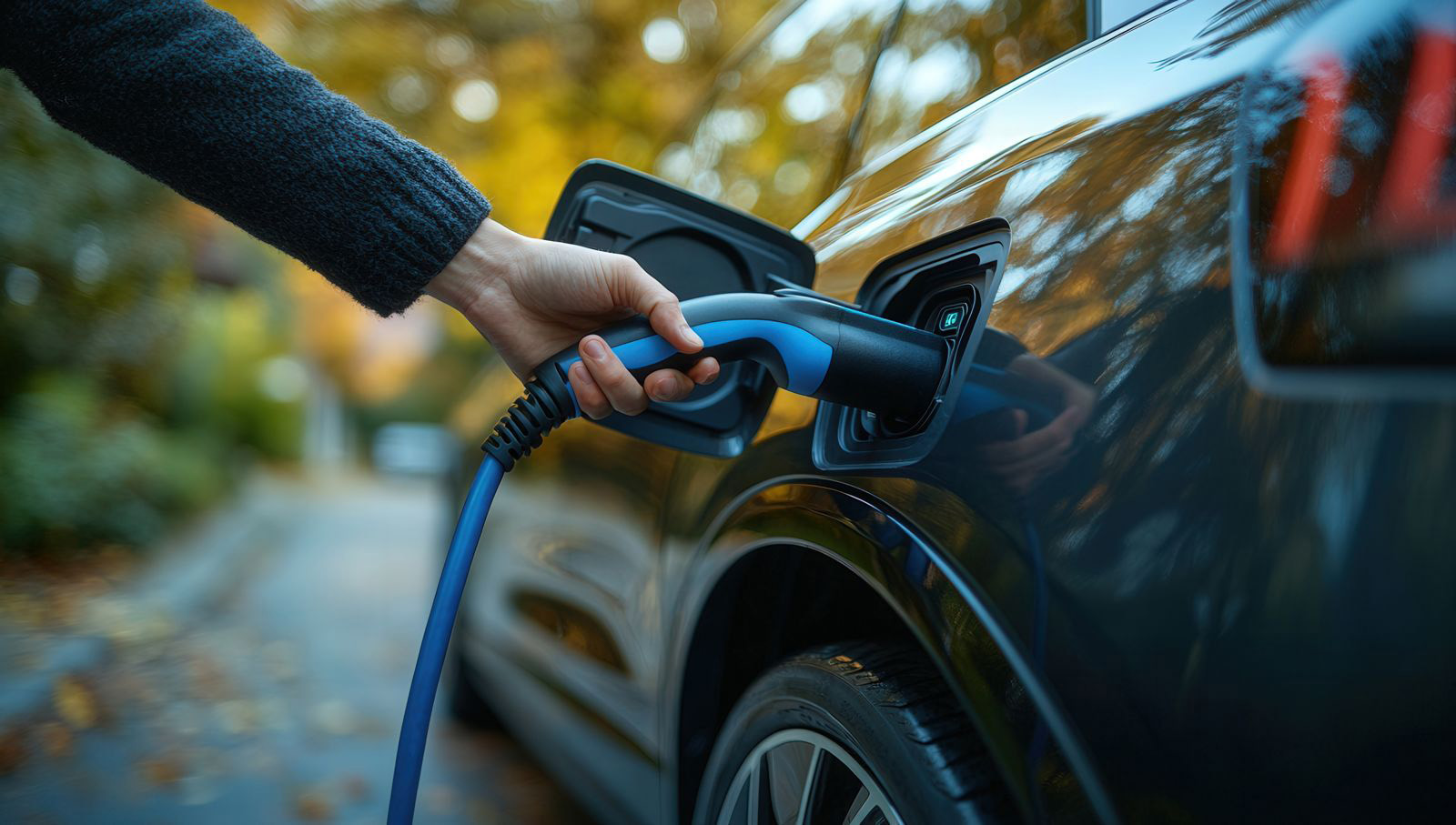
1. What is an electric vehicle (EV)?
An EV is a vehicle powered entirely or partially by electricity. Battery electric vehicles (BEVs) run solely on electric power, while plug-in hybrid electric vehicles (PHEVs) combine an electric motor with a petrol or diesel engine.
2. How long does it take to charge an EV?
Charging time depends on the type of charger and the car's battery size. A home charger (7kW) typically charges an EV overnight (6-8 hours), while rapid chargers (50kW or higher) can add 80% range in 30-60 minutes.3. How far can an EV travel on a single charge?
Range varies by model, but most modern EVs can travel between 150 to 300 miles on a full charge. Premium models can exceed 350 miles.
4. Where can I charge an EV?
The UK's EV charging network is growing fast, now with over 82,000 public chargers—a 27% increase in the past year. Government and private investments are adding thousands more each year, including many fast and ultra-rapid chargers along main roads. You can charge at home with a wallbox charger, at work if facilities are available, or at public charging stations.
5. How much does it cost to charge an EV?
Home charging typically costs 7-15p per kWh, depending on your tariff. Public charging costs vary-some fast chargers are free, while rapid chargers may cost 40-80p per kWh.
6. Are EVs more expensive to maintain than petrol/diesel cars?
No. EVs have fewer moving parts, no oil changes, and reduced wear on brakes due to regenerative braking. This typically results in lower maintenance costs.
Our Partners